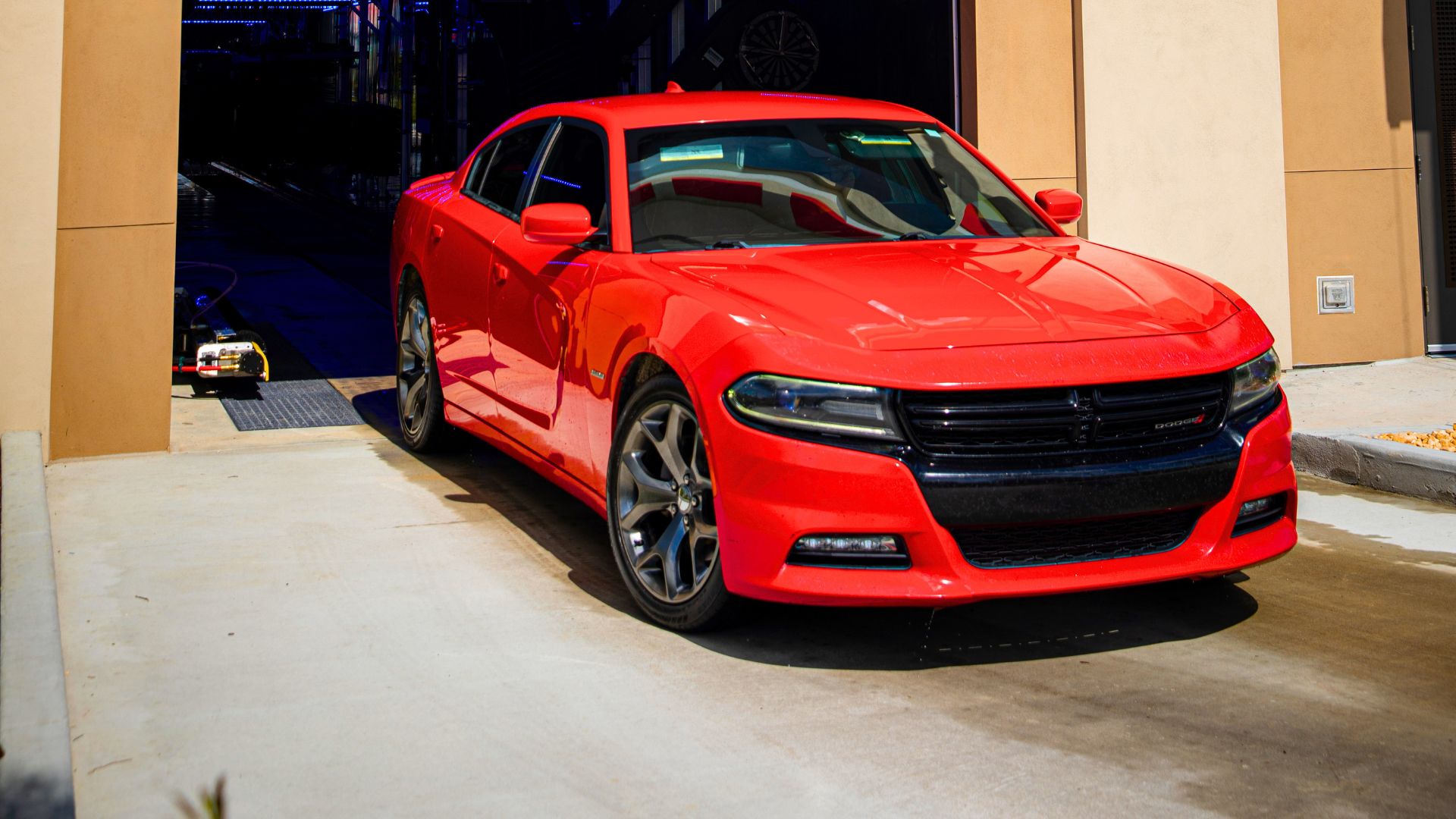







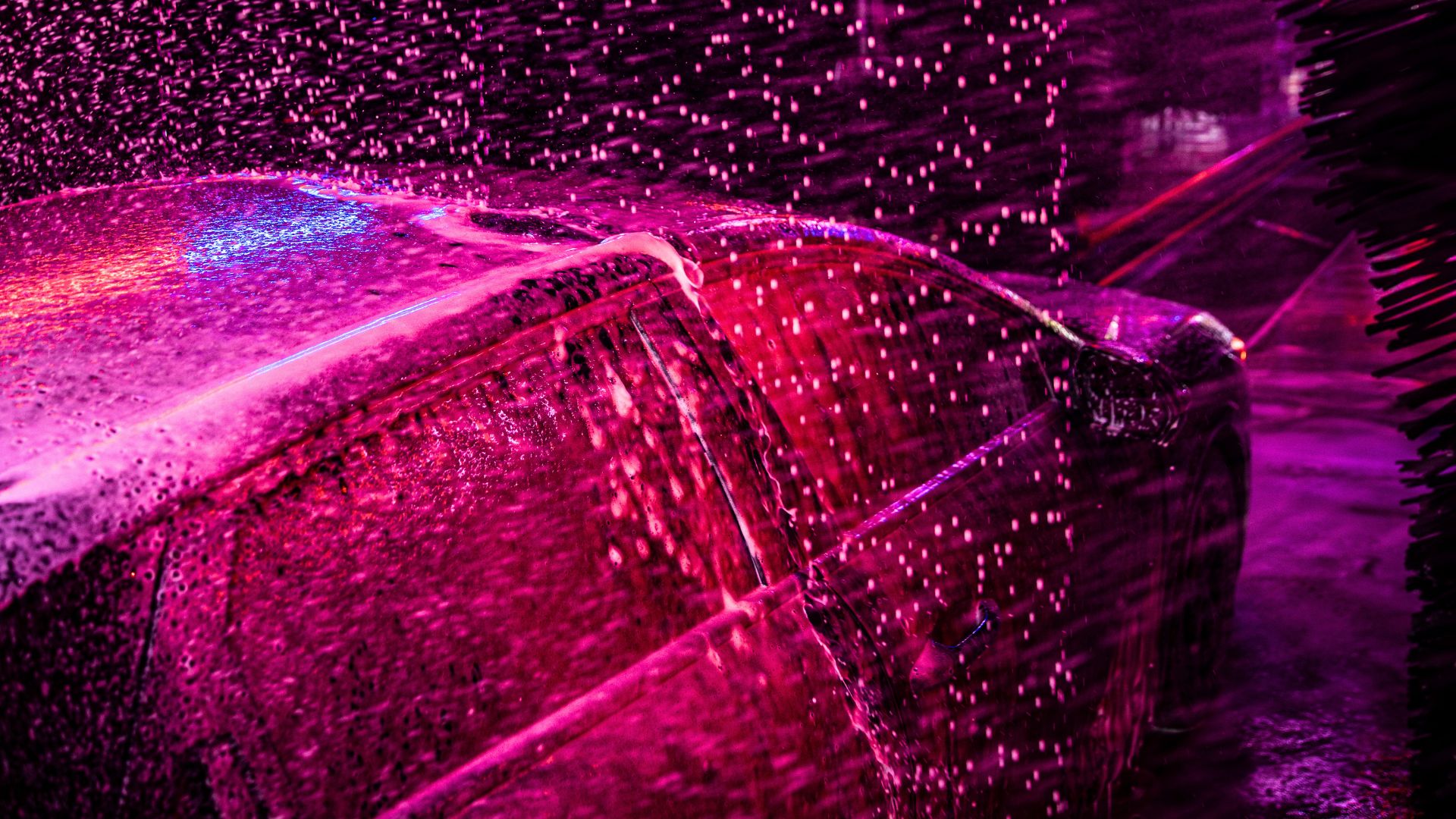
Most drivers don’t skip car washes because they don’t care about their vehicle—they skip because life gets busy. A week turns into three, and small layers of dust, bugs, pollen, rain spots, and road film slowly build up.
By the time the car is finally washed, it doesn’t just look dirty—it feels neglected. That’s the real issue: not one dramatic buildup, but many small annoyances accumulating over time.
The problem usually starts small. A bit of dust on the hood, bugs on the bumper, light road film on the doors, or a cloudy windshield. Most drivers delay cleaning, assuming they’ll get to it later. But dirt doesn’t stay static—it layers over time, especially when exposed to heat, rain, and daily driving.
For commuters, this happens even faster. Cars are constantly exposed to exhaust, dust, brake residue, and environmental buildup. Over time, it affects not just appearance but also how the vehicle feels to drive—less clean, less maintained, less comfortable.
A dirty car also creates a psychological effect. It can reduce comfort and confidence, especially when driving others or arriving at work or events.

Why Dirt Builds Up So Fast
A vehicle gets dirty from multiple sources at once: road dust, brake dust, bugs, rain residue, pollen, and humidity. These elements don’t just land once—they accumulate daily. In warm, humid, and high-traffic environments, buildup happens even faster.
Many drivers underestimate this cycle and wait until the car looks “bad enough” to wash, but by then, cleaning becomes harder and less satisfying.
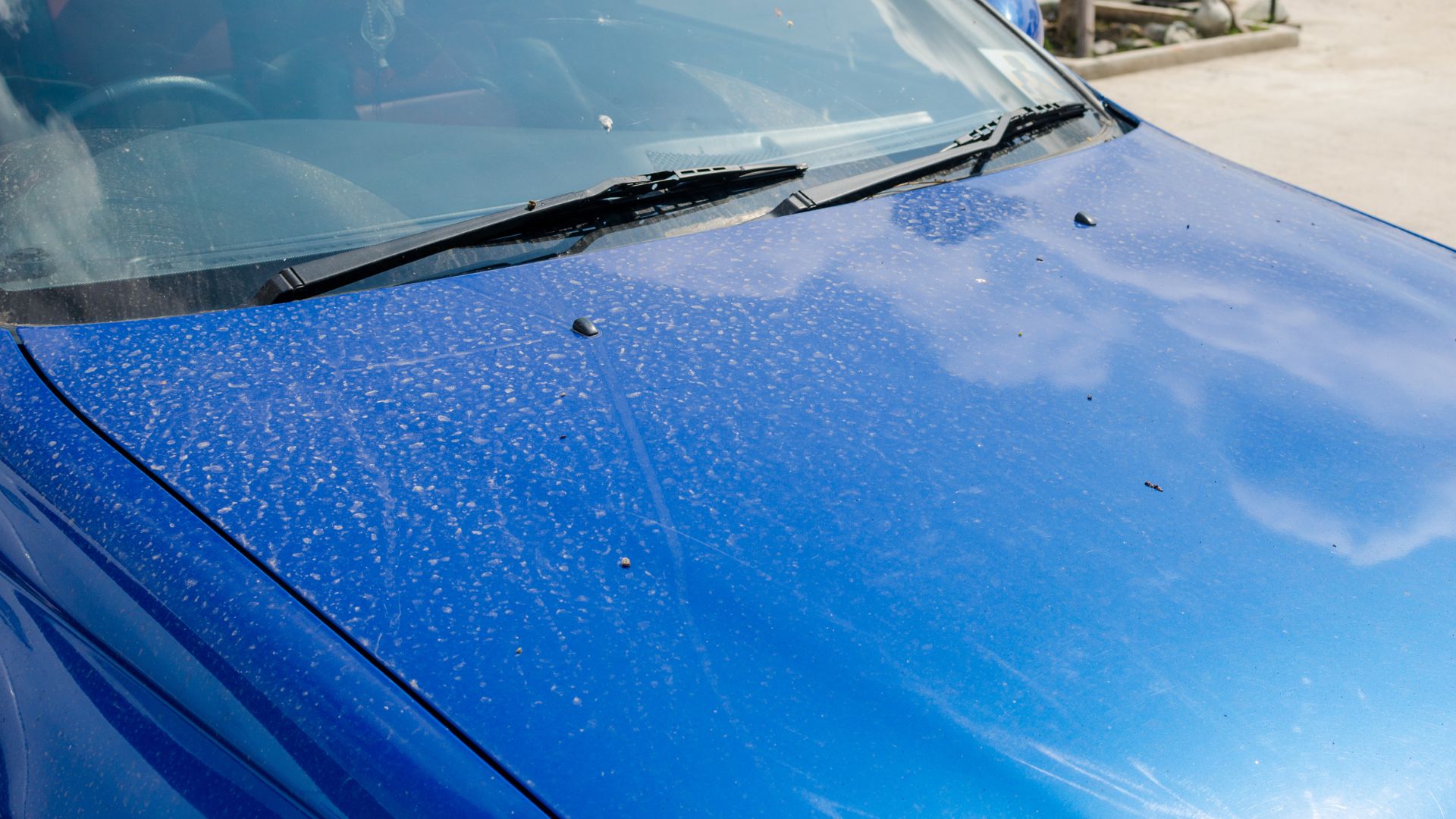
What Happens When You Wait Too Long
Appearance is the first thing to go—paint loses gloss, wheels darken, and glass becomes hazy. Then comfort declines as the car feels less fresh inside and out.
It can also make driving less pleasant due to dirty windshields, glare, and visible grime on key surfaces. Over time, washing becomes a chore instead of a simple routine.

Why Smart Drivers Wash Earlier
Smart drivers don’t wait for heavy buildup. They wash based on exposure—how often they drive, where they park, and what conditions they face.
They notice patterns: bugs after highway drives, pollen during certain seasons, rain leaving spots instead of cleaning. This helps them maintain a consistent routine instead of reacting late.
For frequent drivers, an unlimited wash option can simplify this process by removing the hesitation of “is it worth another wash?”